2020
Designing Human-Robot Interaction at Amazon Robotics
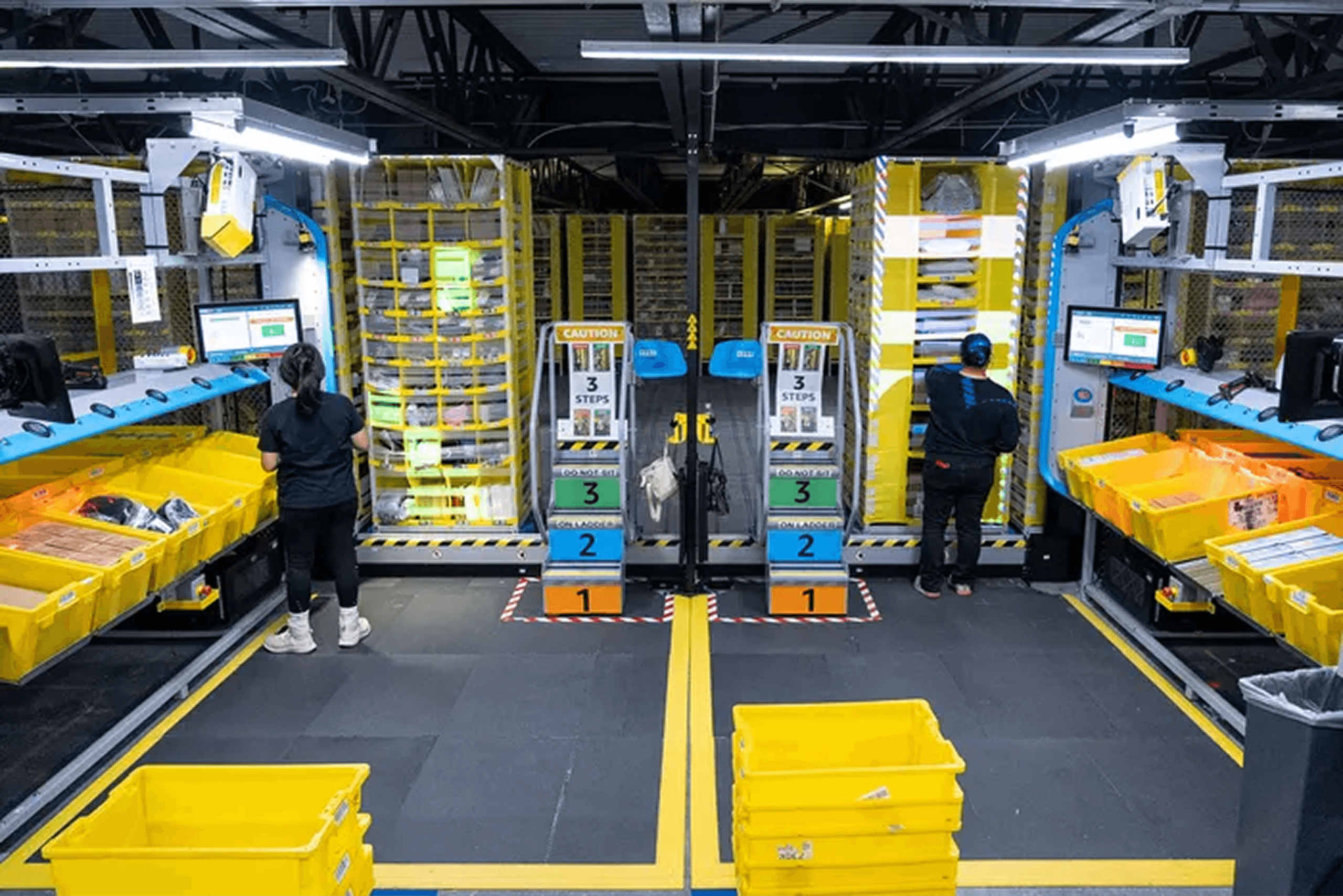
This project focused on designing workstation experiences where human associates repeatedly interact with autonomous robots in Amazon's logistics environment.
At this scale, small design failures compound rapidly, affecting safety, productivity, and worker trust in automation. Designing for reliability under fatigue, repetition, and fragmented attention matters more than optimizing individual screens.
My Role
My role extended beyond optimizing individual screens. I was responsible for defining a repeatable human–robot interaction model that could operate safely and efficiently across thousands of workstations, shifts, and edge cases, where attention is fragmented and physical fatigue is real.
Tensions
- Safety vs. speed in repetitive physical workflows
- Human attention vs. UI instructions
- Information visibility vs. cognitive load
- Consistency vs. adaptability at scale
The core challenge was not optimizing individual screens, but designing interaction models and flows that remain reliable under fatigue, repetition, and fragmented attention, where automation amplifies both correct and incorrect design decisions.
System Level Solutions
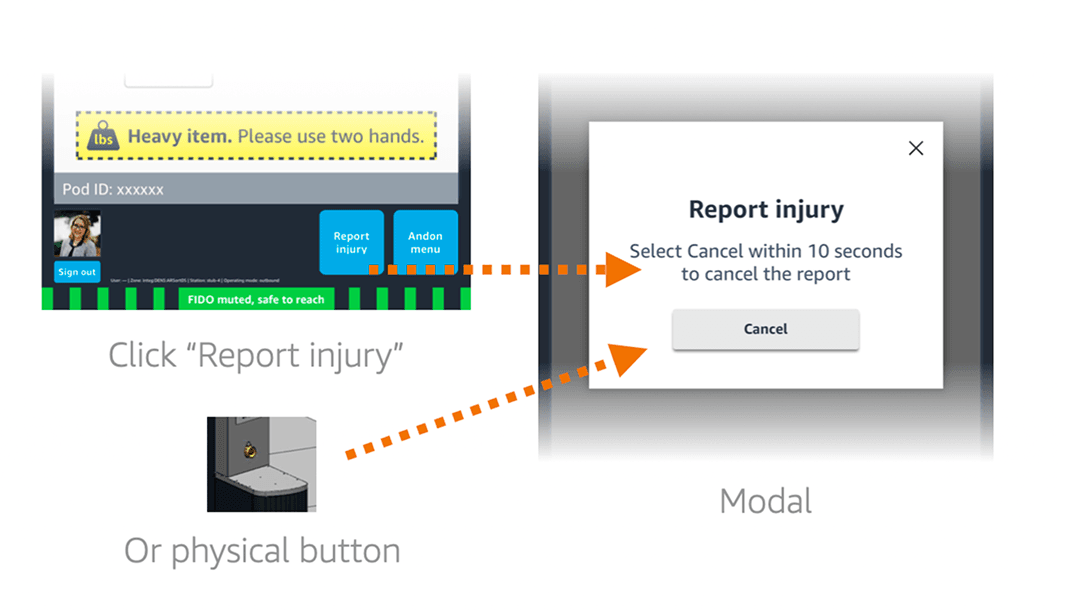
Safety as a first-class signal.
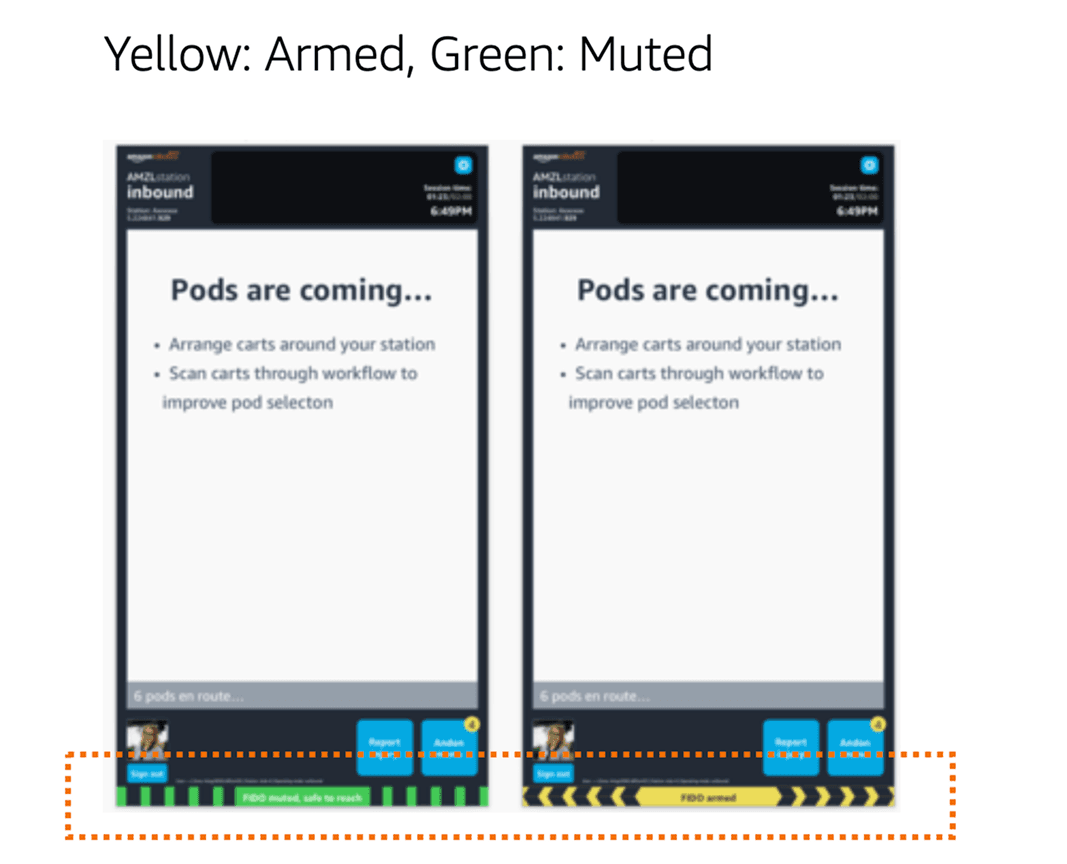
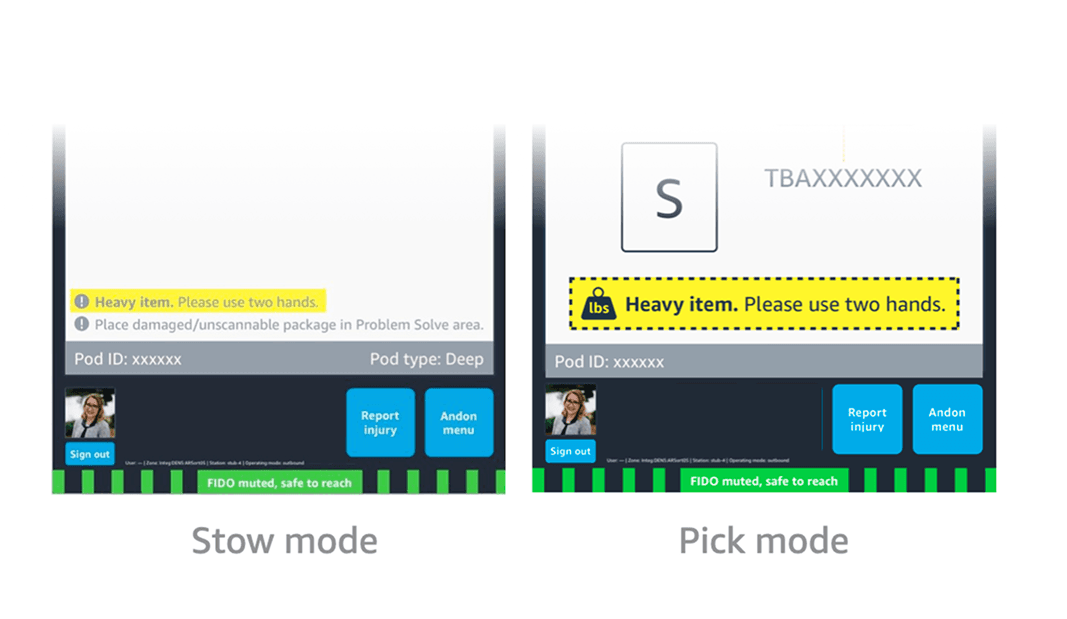
Safety cues (FIDO status, heavy-item warnings, bin projection) were redesigned as persistent, multimodal system signals rather than passive UI elements, to reduce reliance on memory and constant visual scanning.
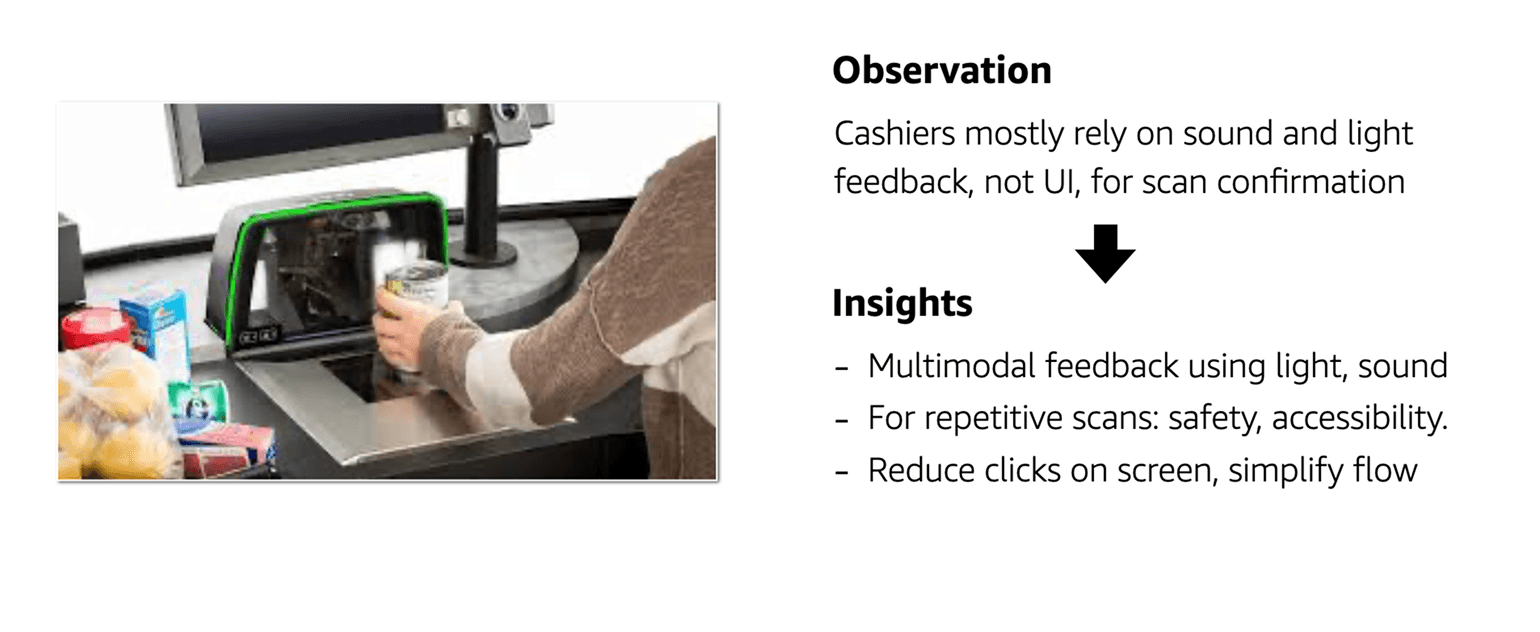
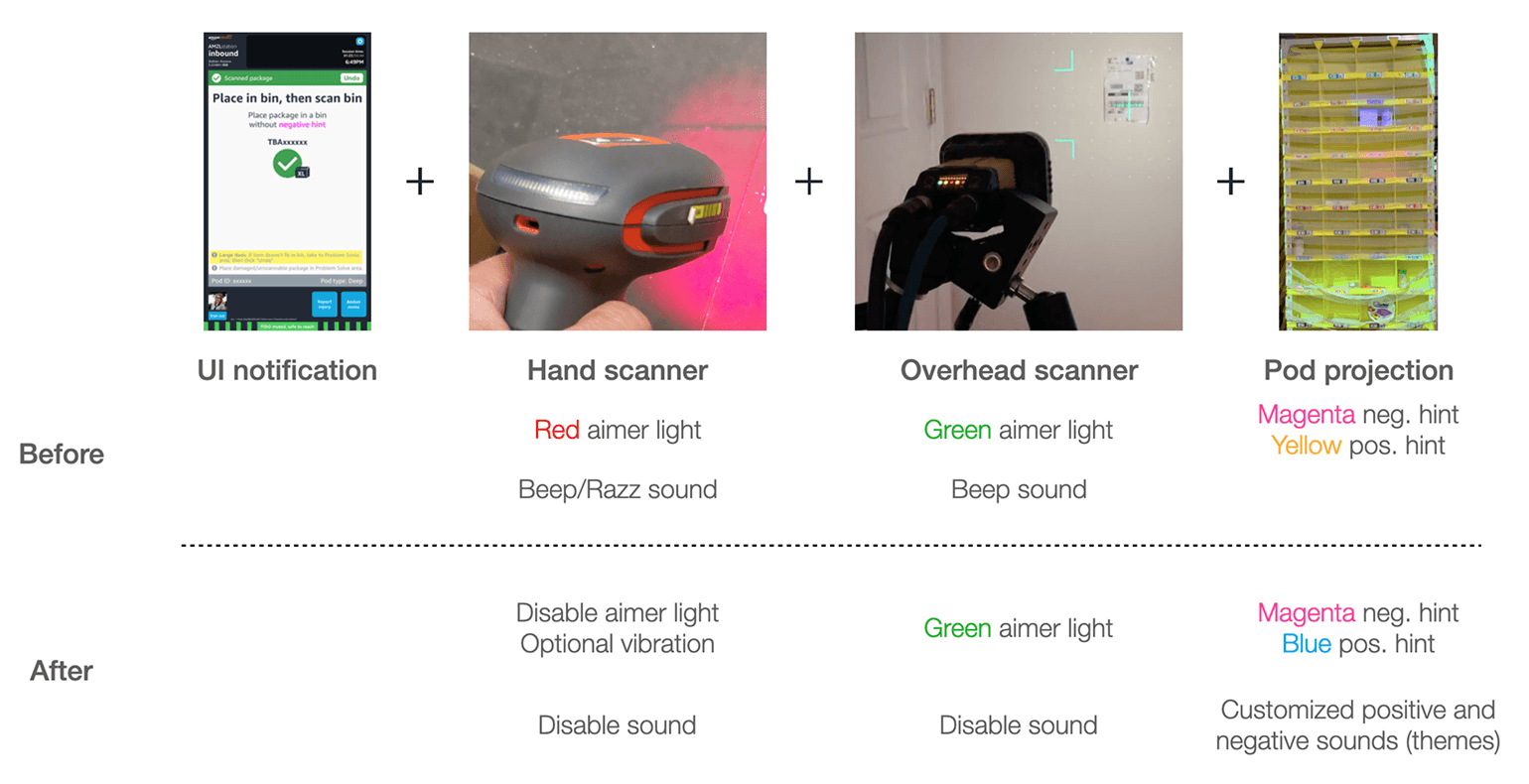
Multimodal feedback for trust.
Visual, audio, and environmental feedback worked together to confirm system state (armed vs. safe) and user actions like scans, minimizing interruption-heavy dialogs and reducing error recovery time.
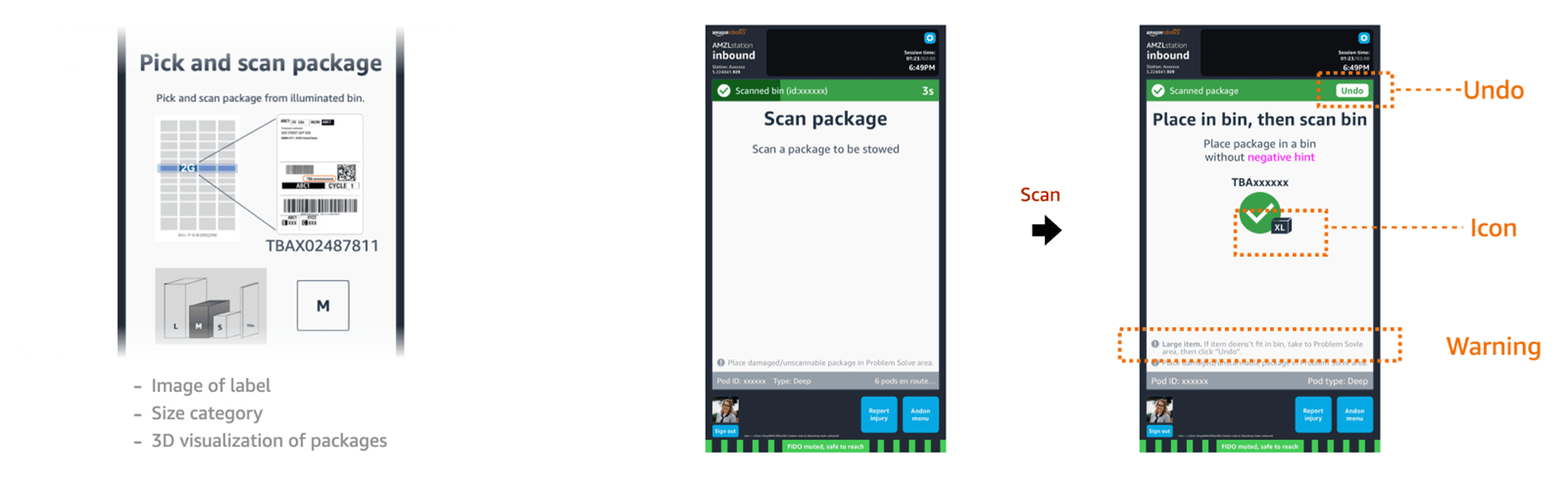
Friction reduction at scale.
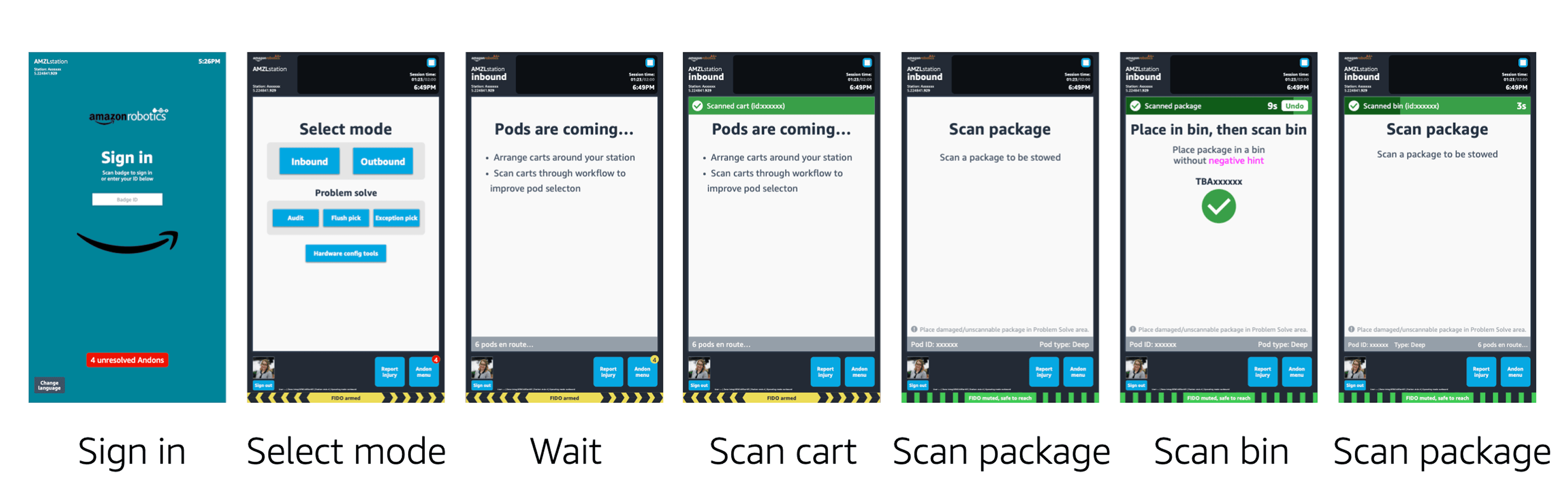
Unnecessary confirmations and modal flows were removed. The system was optimized for thousands of repetitions per shift, prioritizing flow continuity over momentary clarity.
Impact
- Improved safety signaling in a human–robot environment where errors scale rapidly.
- Reduced cognitive and physical strain across high-frequency workflows.
- Increased operational efficiency by minimizing interruptions and decision friction.
- Established a reusable workstation design framework for future robotics interfaces.
Why This Case Matters
This project shaped my approach to platform-level UX: designing guardrails, signals, and interaction models in environments where automation amplifies both good and bad design decisions, and where system thinking matters more than screens.